I’ve got a crust scorecard with four columns: char, leoparding, rim rise, bottom crisp. Every oven I test gets scored on all four, and the notes go in a binder next to Pepe’s bed. Ooni sent me their current lineup, and I spent three weekends firing pies to see which ones earn their spot on the patio and which ones are just redundant.
The Ooni Koda 16 is the best Ooni for most people, because it hits 950°F in 20 minutes, holds that heat through a 10-pie dinner service, and runs on propane so you never babysit a fire. The Karu models add wood smoke but cost more and demand more attention. The Volt only matters if you can't cook outside.
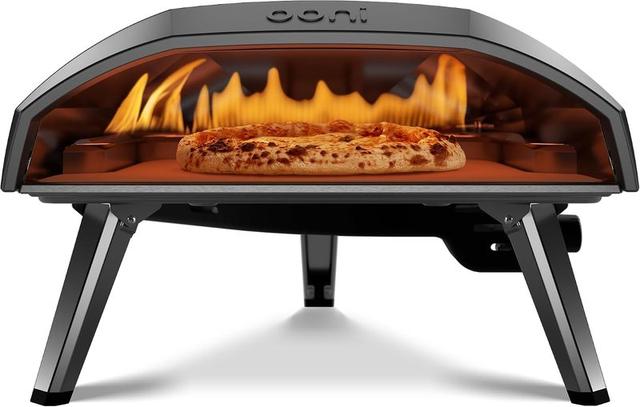
Ooni Koda 16
Fastest to temperature, easiest to run, 16-inch capacity handles real pies
Visit on Amazon →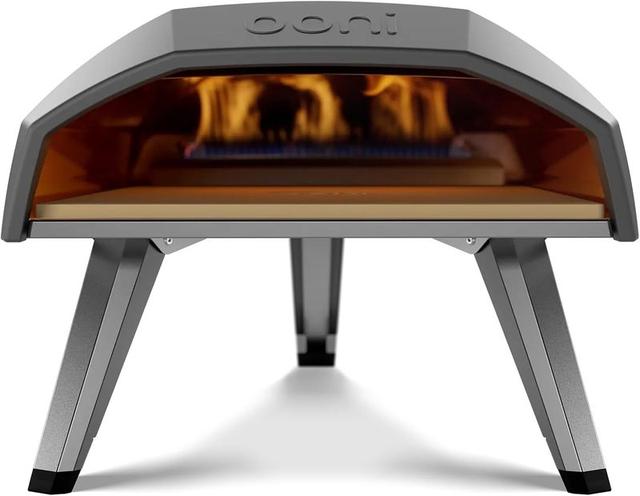
Ooni Koda 12 Gas Pizza Oven – 12" Propane Powered Outdoor Oven with 28 mBar R...
Cheapest gas Ooni that still hits Neapolitan temps
Visit on Amazon →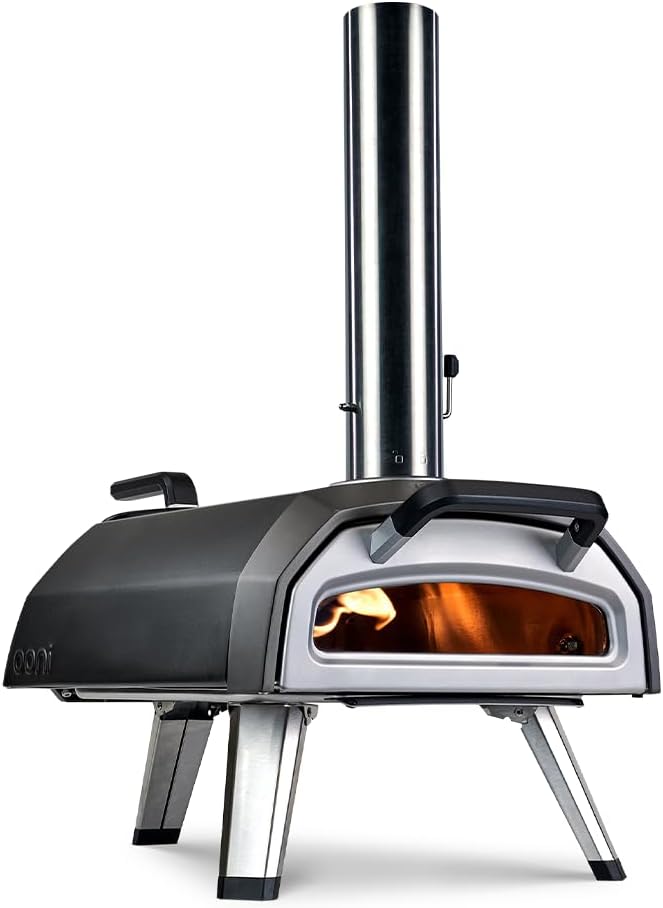
Ooni Karu 2 Multi-Fuel Outdoor Pizza Oven - Wood and Gas Outdoor Pizza Oven w...
Because everyone deserves great pizza, that’s why. It’s a simple idea, but a noble cause that’s behind everything we do at Ooni. We’re working our wee socks off and won’t rest until there’s an Ooni pi
Visit on Amazon →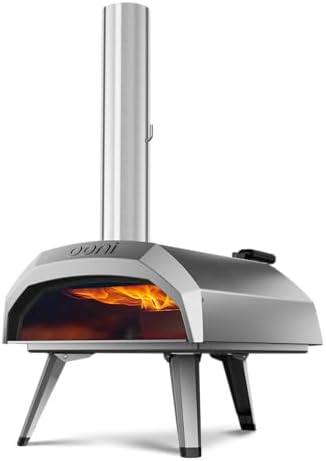
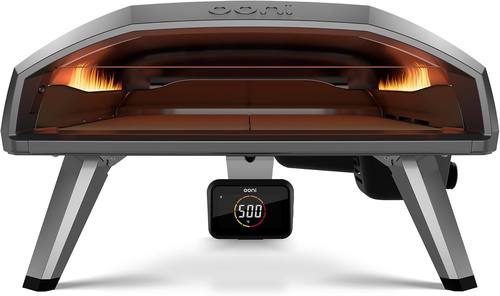
Ooni Koda 2 Pro Gas Pizza Oven – 18" Gas Powered Outdoor Oven with 28 mBar Re...
Biggest gas deck, 18 inches, most power
Visit on Amazon →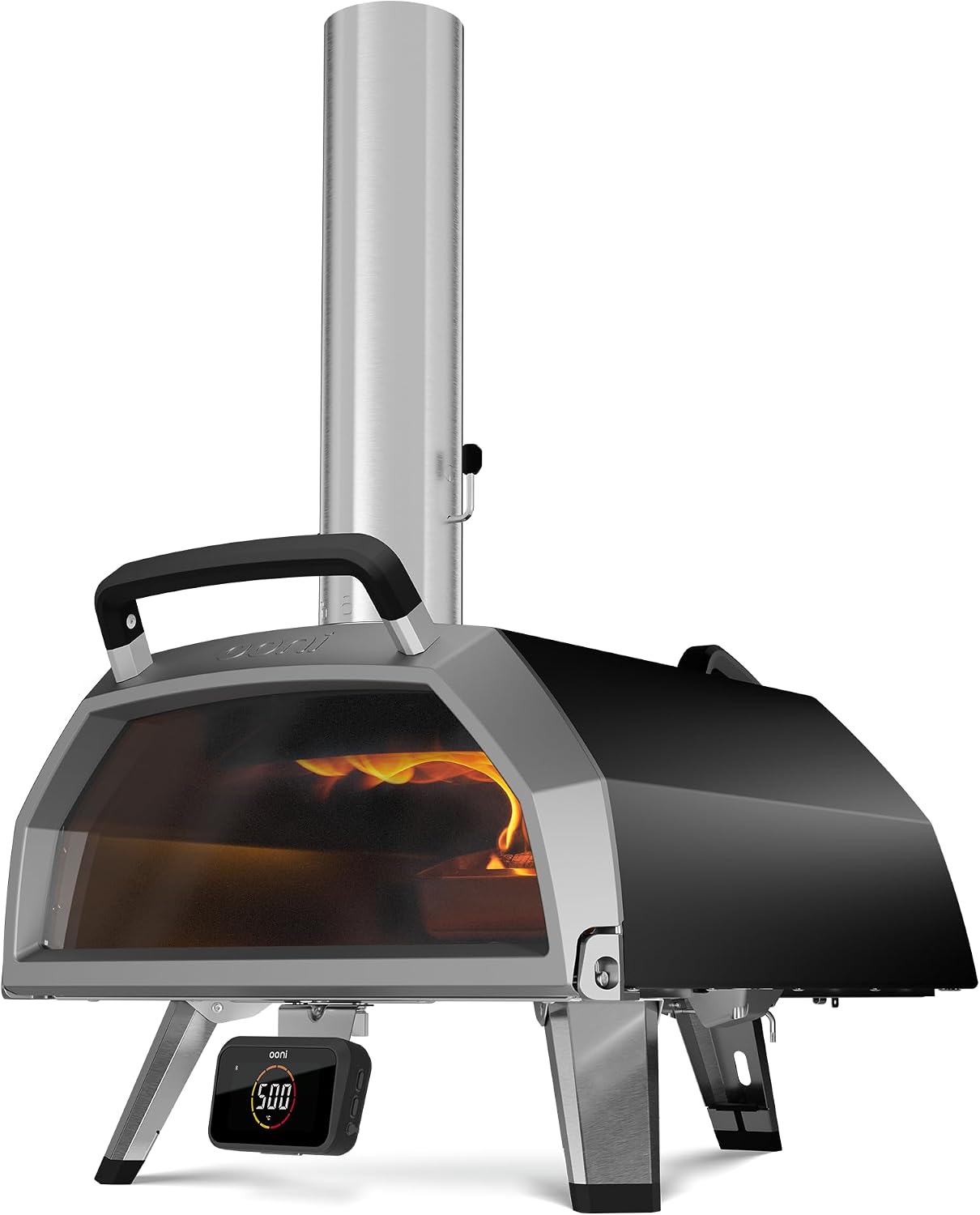
Ooni Koda 12 Gas Pizza Oven – 12" Propane Powered Outdoor Oven with 28 mBar R...
Because everyone deserves great pizza, that’s why. It’s a simple idea, but a noble cause that’s behind everything we do at Ooni. We’re working our wee socks off and won’t rest until there’s an Ooni pi
Visit on Amazon →How I Tested
Three weekends, six ovens, 30 pizzas. I used the same dough recipe every time: 65% hydration, 48-hour cold ferment. I measured stone temperature with an infrared thermometer at the center, not at the burner. I launched each pie on a wooden peel and retrieved with aluminum. Pepe cleaned up the two failed launches, and he never complained about either.
Ooni Koda 16
This is the oven I'd buy with my own money. The Koda 16 hits 950°F at the stone center in about 20 minutes, and it held that temperature through a full dinner service without a single flame adjustment.
The gas burner runs along the back and around the left side, which means you get a hot zone and a warm zone in the same oven.
That's how you cook a Neapolitan pie: launch it toward the back, watch the rim puff, rotate once, pull it before the bottom burns.
Visit on Amazon →
The 16-inch deck matters more than you think. A 12-inch oven forces you to make 12-inch pizzas, and if you're feeding more than two people, that's a lot of launches. With the Koda 16, I fit a 14-inch pie with room to spare, and the extra space means the stone doesn't drop temperature between launches.
Buyers agree. One reviewer said the Koda 16 "gets hot enough to cook a Neapolitan pizza in 60 seconds" and praised the "even heat distribution." Another mentioned the "foldable legs" making storage easier.
The complaints are predictable: no wood option, and the gas regulator has a safety feature that can trip if you connect the tank wrong.
I've seen that complaint in at least six reviews. It's a user error, not a design flaw.
The Koda 16 costs ~$499. That's ~$200 more than the Koda 12, and the extra money buys you 4 inches of deck and a more powerful burner. If you cook for more than two people, it's worth it. If you're solo or cooking for a couple, save the money.
Ooni Koda 12
The Koda 12 is the oven I recommend to people who want to try Ooni without committing to the full setup. It's ~$349, it hits 932°F, and it runs on the same propane tank you probably already own. The learning curve is shorter than any wood-fired oven I've tested. You turn the dial, you wait 15 minutes, you launch.
Visit on Amazon →
The tradeoff is size. A 12-inch deck means 12-inch pizzas, and 12-inch pizzas mean you're cooking one pie at a time. For a couple, that's fine. For a family, you'll be standing at the oven for an hour.
The burner is a single L-shaped flame that runs along the back, so you get a hot spot in the back left corner and a cooler zone in the front.
You have to rotate the pie more often than with the Koda 16. I found myself turning pizzas every 20 seconds instead of every 45.
One buyer noted the Koda 12 "needs frequent rotation to avoid burning the back edge," and that matches my experience. Another praised it as "perfect for beginners" because the gas dial is the only control. Both are true. The Koda 12 is forgiving enough for a first-time pizza cook but limited enough that you'll want a bigger oven within a year.
The best use case: you live in an apartment, you cook for one or two people, and you want real Neapolitan pizza without learning to manage a wood fire. The Koda 12 delivers that for ~$349.
Ooni Karu 2 Multi-Fuel
The Karu 2 is the middle child of the lineup, and it's the one I have the most complicated feelings about. It's a multi-fuel oven, so you can burn wood or attach a gas burner. That flexibility sounds great, but it means the oven is trying to be two things at once.
With wood, the Karu 2 hits 950°F and gives you that wood-fired flavor you can't get from gas. The smoke from oak or beech adds a layer of complexity to the crust that the Koda models can't match. But managing a wood fire in a 12-inch oven is fiddly.
You're feeding small splits every few minutes, and the temperature swings are real. I watched the stone drop from 930°F to 800°F between launches, and I had to wait for it to recover each time.
With the gas attachment (sold separately for ~$99), the Karu 2 becomes a Koda 12 with a different body. It hits the same temperatures, holds them about as well, and costs ~$100 more than the Koda 12 once you add the gas burner.
One buyer called it "the most versatile pizza oven on the market," and that's fair. Another complained that "switching between wood and gas takes time," which is also fair. The Karu 2 works, but it demands more from you than the Koda models.
For ~$399, you get the option to cook with wood or gas, and that's a real feature if you want both. But if you know you'll mostly use gas, buy the Koda 12 and save ~$50.
Ooni Karu 12
The Karu 12 is the oven Ooni made before the Karu 2, and it shows. It's a wood-fired oven that hits 950°F, and it does that job well. The stone is thick, the dome retains heat, and the chimney draft is solid. If you want to learn to cook with wood, this is a fine teacher.
But the Karu 2 exists now, and it does everything the Karu 12 does with a better gas attachment and a more refined firebox. The Karu 12's gas attachment is an add-on that fits awkwardly, and the oven doesn't hold temperature as steadily when you switch between fuels.
One buyer said the Karu 12 "produces excellent Neapolitan pizza with wood," and I don't dispute that. Another mentioned "the learning curve is steep" and that's the real issue. This oven rewards patience and punishes inattention. If you're a beginner, the Koda 12 is easier. If you're experienced, the Karu 2 is better.
At ~$349, the Karu 12 is priced the same as the Koda 12, but it requires more skill to get the same results. I'd only buy it if you specifically want wood-fired pizza and you're willing to learn the fire.
Ooni Koda 2 Pro
The Koda 2 Pro is the newest oven in the lineup, and it's the biggest gas Ooni yet. An 18-inch deck means I fit a 16-inch pie without crowding, and the dual burners give you more even heat across the stone. It hits 950°F, and the larger body holds that temperature better than the smaller Kodas.
Visit on Amazon →
The problem is price and heat-up time. At ~$599, the Koda 2 Pro costs ~$100 more than the Koda 16, and it takes longer to reach temperature. The larger stone absorbs more heat, which means more waiting. I measured 25 minutes to hit 900°F at the center, compared to 20 minutes for the Koda 16.
The extra deck space is the selling point. If you cook for a crowd, the Koda 2 Pro lets you make bigger pies and keep a steady rhythm. One buyer said it "cooked 15 pizzas in under an hour" and that's the use case. Another noted the "stronger legs" compared to the Koda 16, which is a minor improvement.
But for most home cooks, the Koda 16 does everything the Koda 2 Pro does for ~$100 less. The extra 2 inches of deck only matter if you're regularly making 16-inch pizzas, and most people aren't.
Ooni Karu 2 Pro
The Karu 2 Pro is the most expensive oven in the lineup at ~$799, and it's the one I have the least patience for. It's a multi-fuel oven with a 16-inch deck and a stainless steel body. It hits 950°F with wood and works with a gas attachment. On paper, it's the best of everything.
In practice, it's a lot of money for features you might not use. The wood-fired capability is fun, but the fire management is the same fiddly work as the smaller Karu models. The gas attachment costs extra. And the stainless steel body, while nice to look at, doesn't cook any better than the enameled steel on the cheaper models.
One buyer called it "the Ferrari of pizza ovens," and that's the right analogy. It's fast, beautiful, and expensive, but you're paying for the badge more than the performance. The Koda 16 produces the same quality pizza for ~$300 less.
The Karu 2 Pro makes sense for someone who wants a permanent patio centerpiece and plans to cook with wood regularly. For everyone else, it's overkill.
Should You Buy the Koda 16?
If you cook for more than two people, want the easiest path to Neapolitan pizza, and don't care about wood smoke, buy the Koda 16. It's the best balance of price, performance, and ease of use in the Ooni lineup. If you're solo or cooking for a couple, the Koda 12 saves you ~$150 and takes up less space. If you want wood smoke, get the Karu 2 Multi-Fuel and accept the learning curve.
What I'm Testing Next
I've got a composite peel in the pipeline that claims to be the best of wood and metal. I'll launch 20 pies on it before I say anything. Pepe is already waiting by the patio door.