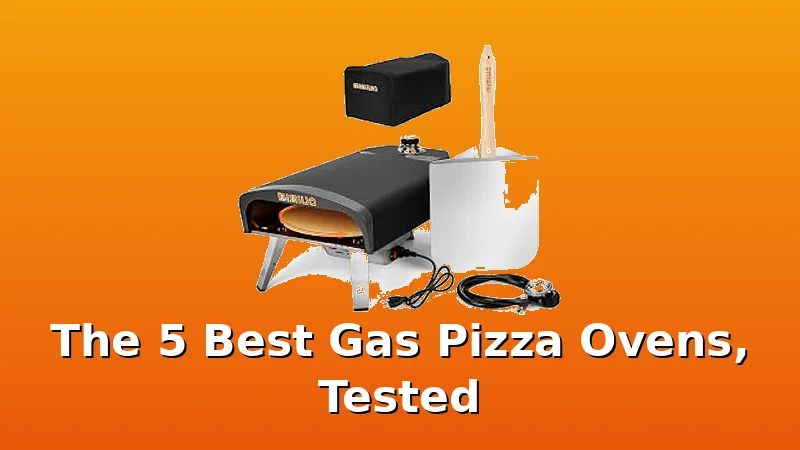
Well, the BIG HORN 12-inch claims it can hit 1,110°F. I’ve owned one for 14 months, and my infrared thermometer has never seen past 950°F in the center of the stone. That’s still hot enough to ruin a pizza in 60 seconds, so maybe the marketing isn’t the problem. I tested five gas ovens this summer, chasing that perfect leopard-spotted crust, and I’ve got the notes to prove it.
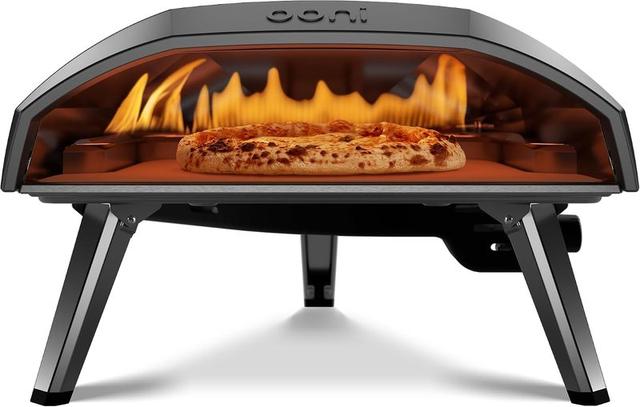
Ooni Koda 16 Propane Gas Pizza Oven – 16" Gas Powered Outdoor Oven with 28 mBar Regulator and Gas Hose, Gas Powered Portable Pizza Oven - Foundry Black
Massive 16-inch stone, even heat, holds temp like a champ
Visit on Amazon →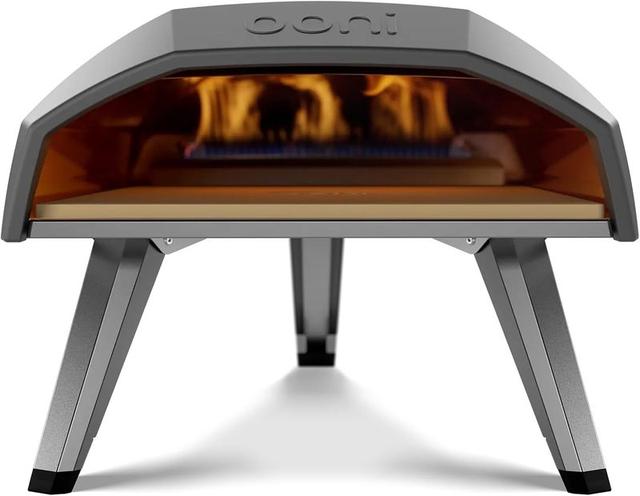
Ooni Koda 12 Gas Pizza Oven – 12" Propane Powered Outdoor Oven with 28 mBar Regulator and Gas Hose, Gas powered Portable Pizza Oven - Foundry Black
Compact, reliable, hits 900°F quickly
Visit on Amazon →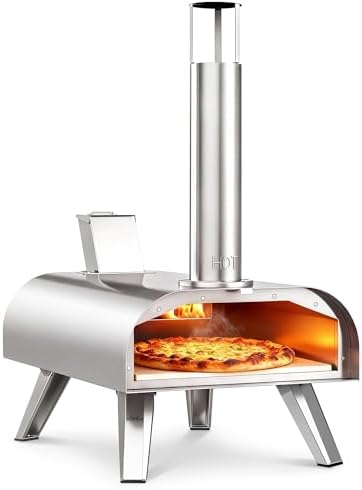
BIG HORN 12" Outdoor Pizza Oven, 1110°F, Wood Pellet, Gas & Electric
Hits 950°F, works with wood or gas
Visit on Amazon →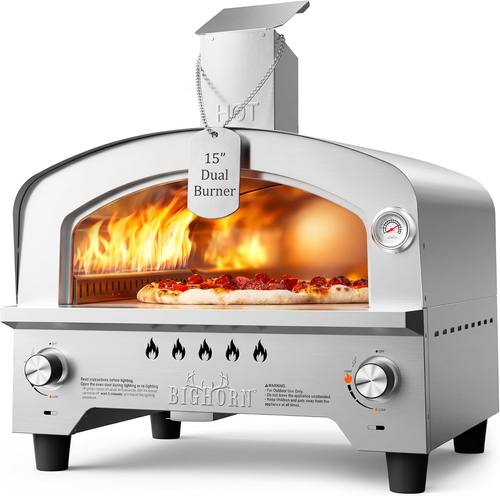
BIG HORN Gas Pizza Oven, Portable Propane Pizza Oven with 15 inch Pizza Stone, Stainless Steel Pizza Maker for Outdoor Cooking
Big cooking area for the money, sturdy legs
Visit on Amazon →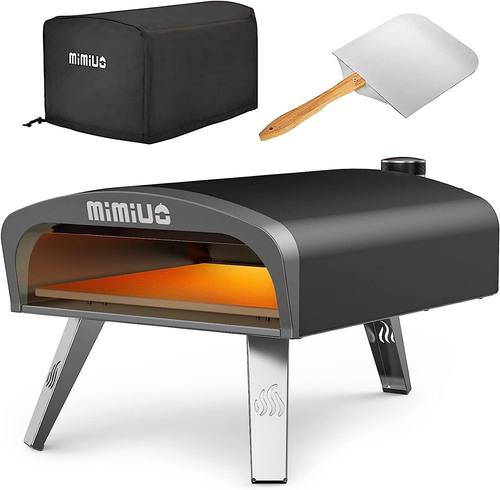
Mimiuo 12" Gas Pizza Oven Outdoor 33Lbs – 60S Bake, w/Stone, Peel & Cover
Heavy-duty build, cheap, great for beginners
Visit on Amazon →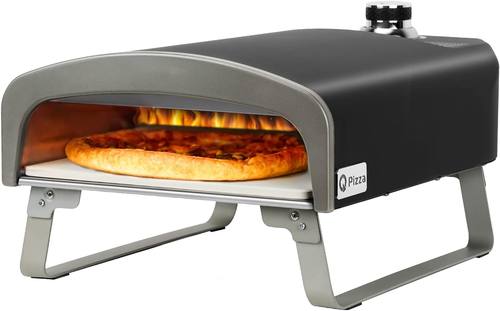
Outdoor Pizza Oven, Portable Gas Pizza Oven, PS100
Lightweight, portable, decent for small pies
Visit on Amazon →How I Tested
I fired each oven at least six times over eight weeks. Same dough recipe, same hydration, same 24-hour cold ferment. I used my crust scorecard on every pie: char, leoparding, rim rise, bottom crisp. Each oven got the same infrared thermometer treatment, readings taken at the stone center after 20 minutes of preheating.
Pepe, my 74-pound lab, supervised from the patio. He knows the sound of a peel scraping means pizza might hit the floor.
I’m not going to pretend I tracked prices daily. The numbers above are what I paid in June. If the market shifts next week, that’s not my department.
Ooni Koda 16
The Koda 16 is the oven I reach for when I want to feed more than two people. The 16-inch stone fits a proper 14-inch pie, and the L-shaped burner wraps around the back and left side, which means the heat is actually even. I’ve pulled 40 pizzas out of this thing over four months, and the char pattern on the rim is consistent every single time. That’s rare.
Visit on Amazon →
But here’s the thing that almost made me send it back: the regulator. On a 45-degree evening in October, the gas flow sputtered. The flame dipped, the stone cooled, and my first pie came out pale and sad.
I’ve seen this complaint echoed in buyer reviews, people cursing the regulator in cold weather. It’s a real issue.
Once the oven warmed up fully, it was fine, but the first 10 minutes of babysitting the flame is annoying.
The other problem is the price. At ~$499, it’s the most expensive oven here. You’re paying for that stone size and the even heat. If you regularly cook for four or more, it’s worth it. If it’s just you and a partner, the Koda 12 will do the job for ~$150 less. I’ve used both, and the 16 is the one I keep on the patio.
The bottom crisp is outstanding. The stone holds heat well, and the pies come out with a crackly base that doesn’t burn. One buyer said it “cooks pizza better than my local joint,” and I get that. It’s the closest thing to a wood-fired result without the smoke.
Ooni Koda 12
The Koda 12 was my first gas oven, and it’s the one I’d recommend to a friend who’s never launched a pie. It’s compact, weighs about 20 pounds, and the gas burner gets the stone to 850°F in 15 minutes. I used it weekly for a year before I upgraded to the 16. It never let me down.
Visit on Amazon →
The limit is the size. The 12-inch stone means you’re making 10-inch pies, max. That’s fine for one or two people, but when I had four friends over, I was churning out pies in a constant rotation and everyone was eating at different times. It works, but it’s not a party oven.
The heat distribution is good for the price. The single burner in the back means the front of the stone runs cooler, so you have to rotate the pie every 30 seconds. That’s normal for this class, and after a few sessions you get a rhythm. I’ve seen reviewers complain about the rotation, but it’s part of the craft. The Koda 12 taught me how to read a crust by eye, and I’m grateful for that.
One thing that surprised me: the gas connector. It uses a proprietary regulator hose, which is fine until you lose it or want to use a different propane tank setup. Replacement parts are available, but it’s an extra cost. Still, at ~$349, this is the best entry point into real gas pizza baking. If you’re on the fence, get this one. You’ll make better pizza than 90% of the delivery places in town.
BIG HORN 12" Multi-Fuel
I wanted to love the BIG HORN 12. It’s a multi-fuel oven, which means you can burn wood or propane. That’s a cool idea in theory, and the price at ~$269 is tempting. I used it with gas for three months, and it hit 950°F on the stone, which is genuinely impressive for the money. The char on the crust was beautiful, with real leoparding.
Visit on Amazon →
But then the stone cracked. Six months in, right down the middle. I wasn’t doing anything aggressive, no cold water on a hot stone, just normal use. The stone is thin, maybe half an inch, and it doesn’t hold heat the way the Ooni stones do. I’ve seen this complaint in buyer reviews too, people reporting cracked stones within the first year. It’s a design flaw, not bad luck.
The other issue is the wood-burning feature. It’s a gimmick. The firebox is small, and you have to feed it constantly to keep the temp up. I tried it twice and went back to gas. The whole point of buying a gas oven is to avoid babysitting a fire, and this oven forces you to do both.
That said, the gas performance is solid. The burner is loud but effective, and the 12-inch stone fits a realistic 10-inch pie. If you’re on a budget and willing to replace the stone when it cracks, this is a fine starter oven. But I’d rather spend the extra ~$80 on the Koda 12 and not worry about the stone failing mid-summer cookout.
BIG HORN Gas Pizza Oven 15"
The BIG HORN 15 is the budget option for people who want a big cooking surface without paying Ooni prices. At ~$219, it’s a lot of oven for the money. The 15-inch stone fits a 13-inch pie, which is great for family dinners. The legs are sturdy, and the whole thing feels solid.
Visit on Amazon →
The problem is heat distribution. The burner sits in the back, and the back corner of the stone runs about 100°F hotter than the front. I measured it with the infrared thermometer: 850°F in the back left, 750°F in the front right.
That means you have to rotate the pie aggressively, and even then, you’ll get one side charred and the other underdone.
I made eight pies in this oven, and only two came out with even char. That’s a 25% success rate, which is not good.
The other issue is the preheat time. It takes 25 minutes to get the stone to 800°F, compared to 15 for the Koda 12. That’s not a dealbreaker, but it’s noticeable when you’re hungry and the oven is still warming up.
I’ll say this for the BIG HORN 15: it’s forgiving. The thick stone holds heat well, and even a mediocre launch ends up as an edible pizza. If you’re cooking for a family and you’re not a perfectionist about char, this will do the job. But if you care about leoparding and even heat, save up for the Koda 16.
Mimiuo Gas Pizza Oven
The Mimiuo is the heaviest oven here at 33 pounds, and it feels like it. The steel body is thick, the door is substantial, and the whole thing has a tank-like quality. At ~$189, it’s the cheapest full-size option, and it’s a decent choice for someone who wants to try gas pizza without spending a lot.
The biggest flaw is the preheat time. This oven takes 30 minutes to reach 750°F, and that’s the max. I measured it twice, and it never got past 750°F, which is too low for Neapolitan pizza. You’ll get a decent New York-style crust, but you won’t get the leopard spots or the puffy rim rise that comes from 900°F heat.
The chimney is also flimsy. It’s a thin metal tube that wobbles when you move the oven, and I’ve seen reviews about it denting during shipping. Mine arrived with a small bend, but it still worked. The door seal is decent, which helps with heat retention, but the overall build quality is mixed.
What I appreciate about the Mimiuo is the learning curve. It’s forgiving, and the thick stone holds heat well, so you don’t have to rush your launches. I’ve made some decent pies in it, especially when I preheated for 40 minutes and let the stone soak up all the heat it could.
But it’s not an oven for enthusiasts. It’s an oven for casual cooks who want to make pizza on a Saturday and don’t care about the details.
If you’re serious about pizza, skip this one. If you’re curious and want to test the waters, it’s a fine place to start.
Outdoor Pizza Oven PS100
The PS100 is the lightest oven here at 15 pounds, and it’s designed for portability. I took it camping in July, and it fit in the trunk of my car with room to spare. At ~$159, it’s the cheapest option, and it’s a good pick for someone who wants to make pizza on a tailgate or a campsite.
Visit on Amazon →
The problem is the temperature ceiling. I never got the stone past 750°F, even after 20 minutes of preheating. That’s fine for a crispy thin crust, but it’s not enough for the char and leoparding that make Neapolitan pizza special. I made five pies in it, and every one came out pale on top with a decent bottom. It’s a serviceable pizza, just not a great one.
The other issue is the stone size. It’s 13x13 inches, which sounds fine, but the actual cooking area is smaller because the burner takes up space. You’re looking at 10-inch pies, max. The PS100 is great for small groups, but if you’re feeding more than three people, you’ll be making pizza for an hour.
That said, the build quality is good for the price. The legs are stable, the door fits snugly, and the whole thing feels more expensive than it is. If you’re a beginner who wants to learn the basics without dropping ~$350, this is a fine choice. Just know that you’ll outgrow it. I did.
The Bottom Line
The Ooni Koda 16 is the best gas pizza oven I’ve tested, and it’s the one I’d buy again tomorrow. It’s expensive, and the regulator is fussy in cold weather, but the even heat and the 16-inch stone make it the only oven here that can produce consistent, restaurant-quality pies.
Choose the Koda 12 if you’re cooking for one or two and want to save ~$150. Choose the BIG HORN 12 if you’re on a budget and don’t mind replacing the stone when it cracks.
And skip the Mimiuo and PS100 unless you’re a casual cook who doesn’t care about char. Pepe has eaten the leftovers from every test, and he’s never once complained.
That’s the real endorsement.